

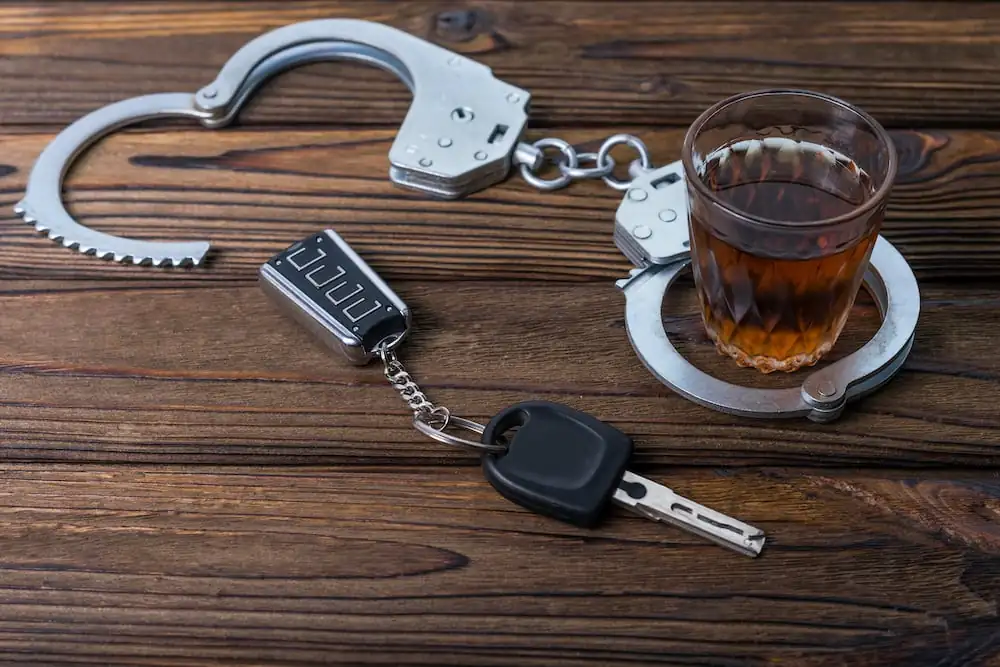
Getting arrested for Driving While Intoxicated (DWI) on Long Island can be frightening. You may be worried about losing your license, paying thousands of dollars in fines, facing increased insurance rates, or even going to jail. The good news is that an arrest is not the same thing as a conviction. Many DWI cases contain legal and factual issues that can lead to reduced charges, favorable plea agreements, or even dismissal.
At The R.M.L. Law Firm, PLLC, our Nassau County DWI attorneys represent drivers throughout Nassau County, Suffolk County, and Queens. As a former prosecutor, Attorney Ramy M. Louis understands how DWI cases are built and how to challenge them.
If you have been charged with DWI, understanding the available defenses is one of the first steps toward protecting your future.
Can a DWI Charge Be Dismissed in New York?
Yes. One of the most common questions drivers ask is whether a DWI charge can be dismissed.
While every case is different, DWI charges are dismissed in New York every year for a variety of reasons. Prosecutors must prove every element of the offense beyond a reasonable doubt. If the evidence is weak, improperly obtained, or unreliable, dismissal may be possible.
Some common reasons DWI cases are dismissed include:
- Illegal traffic stops
- Lack of probable cause
- Improperly administered field sobriety tests
- Breath test inaccuracies
- Constitutional violations
- Discovery violations
- Witness credibility issues
- Failure of the prosecution to prove operation of the vehicle
A dismissal depends on the facts of your case, the available evidence, and the defense strategy employed by your attorney.
What Is the Best Defense Against a DWI Charge?
There is no single defense that works in every DWI case.
The best defense against a DWI charge depends on the circumstances surrounding the arrest. For some drivers, the strongest defense may involve challenging the legality of the traffic stop. For others, it may involve attacking the reliability of chemical testing or proving that the vehicle was never actually operated.
An experienced Long Island DWI lawyer will carefully examine every aspect of the case to determine which defense strategy provides the greatest opportunity for success.
7 Powerful DWI Defenses That Could Beat Long Island DWI Charges
1. The Traffic Stop Was Unlawful
Police officers cannot stop a vehicle simply because they have a hunch that someone may be intoxicated.
Under New York law, an officer must have reasonable suspicion that a traffic violation or criminal offense has occurred before initiating a stop.
Examples of lawful reasons for a stop include:
- Speeding
- Failure to maintain a lane
- Running a red light
- Equipment violations
If the officer lacked a valid legal basis for the stop, your attorney may be able to challenge all evidence obtained afterward, including:
- Officer observations
- Field sobriety tests
- Breath test results
- Statements made by the driver
When a court suppresses critical evidence, the prosecution’s case may become impossible to prove.
2. Field Sobriety Tests Were Improperly Conducted
Field sobriety tests are often presented as scientific indicators of intoxication, but they are far from perfect.
The most common tests include:
- Horizontal Gaze Nystagmus (eye test)
- Walk-and-Turn Test
- One-Leg Stand Test
Many factors can affect performance, including:
- Nervousness
- Fatigue
- Medical conditions
- Poor weather
- Uneven pavement
- Improper instructions
Because these tests are highly subjective, a skilled DWI defense attorney can often challenge the officer’s conclusions and interpretation of the results.
3. Breathalyzer and Chemical Testing Errors
Many drivers assume that a breathalyzer result guarantees a conviction.
It does not.
Breath testing devices require:
- Proper calibration
- Regular maintenance
- Correct administration
- Compliance with strict procedures
For example, officers are generally required to observe a driver for a period of time before administering a breath test to ensure the person does not:
- Eat
- Drink
- Smoke
- Vomit
- Burp
Failure to follow required procedures can affect the reliability of the results.
Additionally, certain medical conditions, medications, diets, and environmental factors can sometimes produce inaccurate readings.
Blood and urine testing procedures can also be challenged when chain-of-custody issues or laboratory errors exist.
4. Your Blood Alcohol Content Was Rising
Alcohol is not absorbed into the bloodstream immediately.
A driver may have a legal blood alcohol concentration while operating a vehicle but exceed the legal limit later when testing occurs.
This defense, commonly known as the “rising BAC” defense, may apply when:
- Alcohol was consumed shortly before driving
- Significant time passed between driving and testing
- The prosecution cannot establish BAC at the time of operation
Receipts, surveillance footage, witness testimony, and expert analysis may support this defense.
5. The Vehicle Was Not in Operation
New York prosecutors must generally prove that the defendant operated the vehicle.
Simply being inside a vehicle does not automatically establish operation.
For example, issues may arise when someone is:
- Sleeping inside a parked vehicle
- Waiting for a ride
- Sitting in a vehicle with the engine off
- Located in a parked car without evidence of recent driving
If prosecutors cannot prove operation beyond a reasonable doubt, the case may fail.
6. Someone Else Was Driving
Mistaken identity is a legitimate defense in some DWI cases.
This issue may arise when:
- Multiple people were present in the vehicle
- The officer did not personally observe the vehicle in motion
- Witness accounts conflict
- An accident occurred before police arrived
The prosecution bears the burden of proving that you—not someone else—were operating the vehicle.
Any uncertainty regarding the driver’s identity may create reasonable doubt.
7. Your Constitutional Rights Were Violated
The United States Constitution provides important protections against unlawful government conduct.
Examples of constitutional violations include:
- Illegal searches
- Improper interrogations
- Miranda violations
- Unlawful seizures
- Violations of the right to counsel
When police violate constitutional rights, courts may suppress evidence or, in some cases, dismiss charges entirely.
What Are the Odds of Getting a DWI Dismissed?
Many people search online for the odds of getting a DWI dismissed.
Unfortunately, there is no universal answer because every case is unique.
The likelihood of dismissal depends on factors such as:
- Strength of the prosecution’s evidence
- Legality of the stop
- Reliability of chemical testing
- Quality of body-camera footage
- Witness testimony
- Discovery compliance
- Prior criminal history
Cases involving significant procedural or constitutional problems generally have a stronger chance of dismissal than cases supported by overwhelming evidence.
The only way to accurately assess your chances is to have an experienced Long Island DWI attorney review the facts of your case.
What Happens If You Are Convicted of DWI?
A DWI conviction can have serious and long-lasting consequences.
Depending on the circumstances, penalties may include:
- Significant fines
- Driver’s license suspension or revocation
- Mandatory ignition interlock device installation
- Increased insurance premiums
- Probation
- Community service
- Alcohol treatment requirements
- Permanent criminal record
- Jail time
Repeat offenses generally result in substantially harsher penalties.
The earlier you begin building your defense, the more opportunities you may have to avoid these consequences.
What Should You Say to a Judge at DWI Sentencing?
If your case reaches sentencing, what you say to the judge can matter.
Generally, judges appreciate honesty, accountability, and respect.
A sentencing statement should focus on:
- Taking the matter seriously
- Demonstrating personal growth
- Explaining positive changes you have made
- Showing commitment to following the law in the future
You should avoid:
- Arguing with the judge
- Blaming others
- Minimizing the offense
- Making excuses that appear insincere
- Interrupting court proceedings
Before making any statement to the court, discuss it thoroughly with your attorney.
How a Long Island DWI Lawyer Can Help
A knowledgeable DWI lawyer can help by:
- Reviewing police reports
- Examining body-camera footage
- Challenging unlawful traffic stops
- Analyzing breath and blood test procedures
- Filing suppression motions
- Negotiating with prosecutors
- Preparing your case for trial when necessary
Early intervention often provides the best opportunity to identify weaknesses in the prosecution’s case and pursue favorable outcomes.
Frequently Asked Questions About DWI Defenses
Can a first-time DWI be dismissed?
Yes. Some first-time DWI cases are dismissed due to evidentiary issues, constitutional violations, procedural errors, or successful motion practice.
Is a breathalyzer enough to convict someone of DWI?
Not necessarily. Breath test results can be challenged for accuracy, calibration issues, procedural violations, and medical factors.
What is the strongest DWI defense?
The strongest defense depends on the facts of the case. Illegal stops, faulty chemical testing, lack of operation, and constitutional violations are among the most effective defenses.
Can I fight a DWI if I failed field sobriety tests?
Yes. Field sobriety tests are subjective and can be affected by numerous factors unrelated to alcohol consumption.
How long does a DWI case take in Nassau County or Suffolk County?
Many DWI cases take several months to resolve. Cases involving hearings, motions, or trials may take significantly longer.
Should I plead guilty to a DWI immediately?
You should speak with an attorney before making any decisions. Important defenses are often discovered only after a thorough review of the evidence.
Speak With a Long Island DWI Lawyer Today
A DWI arrest does not mean your case is hopeless. Strong defenses exist, and many DWI cases contain weaknesses that may not be immediately obvious.
Attorney Ramy M. Louis is a former prosecutor who understands how DWI cases are prosecuted throughout Nassau County, Suffolk County, and Queens. He uses that experience to identify defenses, challenge evidence, and fight for favorable results.
If you have been charged with DWI, contact The R.M.L. Law Firm, PLLC today for a free consultation. The sooner you act, the sooner you can begin protecting your license, your record, and your future.